
Essay Writing Tips
Best Outline for a Compare and Contrast Essay


Success in creating comparison and contrast essays depends on possessing a suitable foundation. This guide shows you an optimal outline design that leads students through a step-by-step process starting from introduction continued through conclusion. The organized structure provides specific clarity to ensure that comparison work between literary texts and historical events remains both clear and coherent. These guidelines compete with concrete writing techniques and document design principles will help you create essays that develop strong arguments with supported evidence.
Understanding Compare and Contrast Essays
Every compare and contrast essay writer needs to grasp the basic function of this writing style before starting the planning process. Through this method of analysis readers can gain more understanding about subject matters while developing critical thinking skills as the essay compares subjects in an organized way through side-by-side evaluations.
Purpose of the Essay
The principal purpose of a compare and contrast essay consists in scrutinizing how multiple subjects connect or diverge from one another. The author uses the comparison and contrast analysis to show connections and variations between subjects which leads readers into deeper comprehension. The writing format educates its readers while simultaneously depicting understated and unpredicted relational patterns between subjects. This writing form functions to develop analytical assessment without bias while presenting multiple sides to a topic through an organized framework.
Common Topics
Aside from literature characters one can use politics systems along with history events, science theories and personal accounts when writing a compare and contrast essay. The selected topics succeed because they present distinct points for investigation. The comparison between capitalism and socialism or the analysis of two novel themes offers sufficient content for study and evaluation. The selection of a topic should involve a substantial subject matter with depth of exploration along with relevance to your educational field or audience. The most productive topics enable significant evaluation between elements while creating content that educates without sacrificing reader engagement.
Importance of a Strong Outline
A strongly designed outline serves as the vital framework for any compare and contrast paper to succeed. Such an outline structurally arranges your thoughts while maintaining equivalent discussion between subjects while directing your text toward its main goals. An outline helps prevent writers from generating disorganized or redundant content in their essays. A properly designed outline shows where you’re opening, main sections and final closing remarks fit together between the analyzed elements. Through such organization your essay maintains both readability and logical progression that helps the reader follow your argument. A solid outline produces a time-efficient writing process which results in superior persuasive content in the last draft.
Essay Length and Depth
The basic structure of a compare and contrast essay expands between 800 to 1500 words although the topic complexity and academic level determine its length. Thorough analysis together with stronger proof stands as one of the main requirements for college essay writing assignments. The assignment requires you to explain the significance behind all noted similarities and differences. The process demands a complete analysis of material supported with extensive evidence to maintain structure throughout. The process requires more than basic fact presentation because it needs meaningful interpretation of those facts. Verify your assignment parameters before writing to confirm that your work exceeds minimum requirements while delivering complete unbiased examination to both subjects.
Comparison vs. Contrast Focus
Your first step when outlining an essay should involve determining whether you want to prioritize comparison or contrast or show both aspects to the same degree. A comparison-based text demonstrates point-by-point similarities between subjects to show their alignment while a contrast-focused text focuses on point-by-point differences to bring out individual aspects or perspectives. When both analysis types are treated with equal weight saturation leads to a complete examination. Your thesis should establish this central theme so it can lead both the paragraph structure and its content. Your essay becomes simpler to follow through analysis when you keep your focus steady which also reinforces your argument and helps maintain organization throughout the text.
Choosing a Structure for Your Essay
Your compare and contrast essay requires a proper structure selection because it organizes the content. This method determines your idea presentation thus supporting readers to understand your argument better. Each comparative structure including block and point-by-point and hybrid matches the combination of topic complexity and essay objectives.
Block Method
A basic organizational structure enables writers to present every aspect of topic one using one section followed by a second section that discusses topic two separately. This approach should be implemented when dealing with short assignments featuring limited concepts for comparison. Each subject becomes fully understandable through block organization before readers can conduct their comparisons. Comparison readability may suffer for the reader when the blocks are not clearly connected but transition words can enhance their understanding. Transitions marked by “similarly” along with “in contrast” help readers understand the blocks.
Point-by-Point Method
A dynamic comparison needs the point-by-point method because it works best for detailed analytical assessments. This writing structure follows a pattern where each main point is supported by alternating between the subjects under analysis. When applying this writing method you would begin with a theme-based comparison between subject A and B followed by a tone examination of the same two subjects. Through this organization method readers become able to see and track both similarities and differences as they unfold between both blocks. This strategy develops stronger analytical and persuasive capabilities especially for extensive pieces of writing which contain similar qualities in their subjects. The clarity of your comparison needs coordination with topic consistency and every paragraph must focus on one specific point for analysis.
Hybrid Approach
With the hybrid approach readers gain versatility because it includes essential components of both block and point-by-point methods. Your overview starts as a block until you transition to evaluate main features point by point. Long or complex subjects benefit from this procedure because it enables a clear introduction alongside deep analytical discussion. The initial block structure makes it simpler for readers to understand fundamental comparisons that follow. This hybrid method proves beneficial for analysis which needs point-by-point examination at particular points yet demands an extensive discussion in other parts.
When to Use Each Format
Your selection of format will depend on the aspects of your discussion including subject content and reader intentions together with their knowledge base. The block method delivers the best results for straightforward topics or brief essays regarding simpler points of comparison and structure maintenance. The point-by-point format leads to more profound analysis since it works well with complex subjects which contain various similarities and differences. You should use the hybrid approach for essays that need multiple formats because it draws strength from all sides of comparison and contrast. Verifying assignment protocols is essential because your instructor may have a formatting requirement. Think about the methods that will help you deliver your argument in the most understandable way and produce the most successful result with your ideas.
Outline Examples for Each Format
Staring at examples of outlines lets you understand the system for constructing your essay. The block method follows an organization of introduction and two distinct supporting sections and a final conclusion. Build your point-by-point body with separate paragraphs that present contrasting information regarding A and B aspects of each topic subject (A first on #1 and B first on #2 and so on). The hybrid plan starts with unique presentations about each subject before moving into combined comparison sections. Visual templates together with examples can guide you through learning both transitions between paragraphs and argument structure combined with effective argument focus.
Building the Essay Outline
The creation of a proper outline leads to clear organization of your thoughts before composing the first word. The next step involves transforming your selected structural segments into parts that support both introduction and body sections and conclusion to maintain proper flow throughout your compare and contrast essay.
Introduction
Your compare and contrast essay receives its framework from the introduction section. A hook consisting of an appealing fact, question, or quotation should serve as the first element of your essay to engage readers from start. Begin your presentation of two subjects by giving a short introduction about the comparison and contrast. Illustrate background elements to establish relevance and purpose of the specified comparison. Wrap your introduction by stating the thesis declaration which explains why you examine similarities and differences between subjects. The outline shows readers all the main components of their journey through the essay structure.
Body Paragraphs
The genuine comparison along with any contrasting information appears in this section of your paper. The body sections of your work should follow the block arrangement or the point-by-point method according to your selection. Each section within the body should investigate a distinct aspect of the topics through specific details like theme or distinctive characteristics and final outcomes. After presenting the complete discussion of one subject the writer moves onto the next subject in block format. The point-by-point approach should move between subjects to address each comparison aspect. The writing should maintain smooth transitions as well as unified coherence across the whole work. The reader’s progress needs guidance through your analysis so you should employ matching transition phrases “similarly,” “on the other hand,” or “in contrast.”
Topic Sentences
The start of each body paragraph needs an assertive topic sentence to introduce what the section will analyze. The first sentence in each body paragraph of a comparison paper defines the point under analysis while indicating whether the discussion focuses on similarity or difference. Topic sentences control both the flow of the paper while guiding readers through the argument logic. The main argument of your paper receives reinforcement through the connection of specific points to your established stance. State the precise topics and direction of future information within your writing because this helps readers understand which evidence will be presented after the introduction.
Supporting Evidence
Every paragraph that aims to establish contrast or compare needs to provide distinct evidence which pertains to the argument. Your support will consist of relevant facts together with data as well as specific examples and direct citations sourced from reliable authorities. When discussing literature and history or science topics your supported evidence strengthens your point-by-point analysis because it demonstrates intellectual development. Each supporting evidence should receive proper clarification in addition to maintaining direct links to the main subject of the paragraph. Present only evidence yet interpret it within your detailed argument. Further depth in your statements demonstrates your viewpoint to an audience which results in more persuasive scholarly writing.
Conclusion
The conclusion section summarizes all major points which the body section establishes. Direct rephrasing of original sentences should be avoided since you should merge information into a new insightful statement. You should restate your thesis at the end to validate your primary argument by demonstrating how the comparison methods serve its purpose. Your last statement to the reader should either point out broad implications or generate action or introduce open-ended questions for extra reflection. A well-constructed conclusion concludes your essay by solidifying your analysis along with creating a lasting effect.
Writing Tips for a Successful Essay
Good ideas alone cannot produce an effective compare and contrast essay because organized delivery is essential. The following writing tips will strengthen your paper structure and keep it balanced while enhancing the clarity to deliver your argument with professionalism.
Stay Balanced
Balance between the two studied subjects must be a top priority for compare and contrast essay writing. Follow the instruction when writing this assignment because explicit statements might require an argument in favor of one option. The evaluation of both subjects needs to be equal whenever you assess their shared points or differences. The fair approach to writing analysis creates more credible arguments that help readers accept your statements. The reader should finish the text with an understanding of the individual concepts and their point of connection with one another. The distribution of each paragraph should include equal weight distribution between evidence and structure to create an impartial analysis of comparison or contrast across your paper.
Use Clear Transitions
A smoothly flowing and logical structure depends on proper transitions in an essay. Users should transition between subjects and points by employing “similarly” and “on the other hand” together with “in contrast” and “likewise” to help readers follow your argument. The specified transition words keep your text flowing consistently as they avoid disrupting the flow between different sections. Transitions hold great importance in the point-by-point structure since you perform regular shifts between ideas and comparisons throughout. Always conduct a complete review of your draft to assure the new parts naturally continue from the previous sections. The implementation of good transitions results in continuous fluid reading as well as increased visibility of connections between different elements being discussed.
Avoid Redundancy
Among the typical errors committed in contrast and comparison writing is redundancy which appears when authors present the same information through various word choices. Your writing should remain interesting by introducing novel points with each new paragraph which explores different dimensions of the analyzed subjects. Rephrase statements about similar and different features only when you present fresh analytical perspectives about these connections. Repetitive content makes readers experience boredom which decreases the strength of your arguments. After critical review of your writing you should revise sections which contain repetition. Deny any additional comparisons or contrasts except those which connect to your thesis and primary argument structure and end purpose.
Maintain a Formal Tone
Your personal or interesting topic requires an academic and formal writing voice at all times. Professional writing avoids the reduction of words as well as both informal phrasing and verbalization styles. Professional vocabulary together with clear terminology should be your preference for delivering your concepts. The use of a professional writing style enables you to create authority and show proper respect to both your research subject and readers. The style matches what most academic projects demand. Fear of language being too relaxed can be resolved through objective and neutral term rewriting. Probable consistency in your essay voice builds both your reliability and general writing quality.
Revise and Refine
The initial draft stands as the foundation that needs development. The revision period should include both outline examination followed by complete essay evaluation so you can enhance your logic, coherence and clarity. Testing your comparisons with this question will help you identify if they align logically. Are your transitions smooth? The fundamental support for your thesis statement remains visible multiple times throughout the entire document. Listening to your text aloud while reading it enables the detection of confused phrases and areas where logic should be strengthened. Obtain evaluation from either a classmate or instructor when possible. The editing process lets you enhance your argument and resolve mistakes while it guarantees your essay moves smoothly between all points. This step should not be missed since it can transform a good essay into an excellent one.
Tools to Enhance Your Essay Planning
The modern technological resources simplify and enhance your ability to plan an essay. These resources provide platforms that enhance planning tasks while guaranteeing correct information and clarity which transforms your compare and contrast essay to become concise and sophisticated.
Mind Mapping Apps
Mind Meister together with lucid charts serve as visual aids that allow users to structure their thoughts prior to essay composition. Through the use of these apps users can efficiently link their concepts while finding ways to group similar elements and detect differences between them. The supported points you select start from your main topics which enables you to build an outline that structures your content logically. Students who learn through visual methods get maximum benefit from this technique by viewing complete layouts. Your planning process becomes more efficient through its usage while your essay maintains smooth transition between sections. You maintain flexibility while keeping your essay organized because you can easily modify your ideas without breaking down the structure of your work.
Outline Templates
The creation of pre-made outline templates makes it easier to develop a strategy for comparing and contrasting essays. The pre-made templates provide both block method and point-by-point structure formats that you can easily use as a ready guide for your plan. The structure includes an introduction section followed by body paragraphs and a conclusion section together with guideline space to organize topic sentences and supporting proof. Templates both decrease work time and guarantee essential sections receive adequate attention. Online academic platforms along with writing platforms make free template downloads available to their users. You can personalize the provided template format to suit your research topic to achieve order in your work while keeping an adaptable approach. This method provides writers with a quick start to their document creation in a confident manner.
Grammar Checkers
The essay needs both Grammar and Hemingway Editor style and grammar checker tools to reach its final polish. These tools automatically spot typical grammar problems together with hard-to-understand wordings as well as inconsistencies in writing style. The writing assistance toolsGrammar helps writers enhance clarity and tone and reduce text complexity while Hemingway Editor displays passive voice together with complicated sentences. The applications enable students to preserve proper academic writing standards during their comparison and contrast exercises. Grammar checkers provide a superb starting point for text editing yet they do not substitute human editors since they strongly minimize errors which turn your draft into more professional writing.
Citation Tools
Citation Machine and Zoster and Easy Bib software enable users to create accurate source references easily. Such platforms create citations in three different styles (APA, MLA and Chicago) which saves your time while maintaining academic standards. The tools enable users to generate citations automatically through their browser add-ons that work alongside word processing software. A correct citation system grants original author recognition while increasing the overall credibility of your work. Citation tools decrease unintended plagiarism occurrences and keep your project organized particularly during research that involves multiple academic sources. Always double-check auto-generated citations for accuracy.
Writing Centers
The writing services provided by college centers together with online tutoring programs represent exceptional solutions for enhancing your essay outline work. Writing centers enable their tutors to meet students individually for assistance in brainstorming and structure development as well as clarity refinement and flow enhancement. The writing center specialists will evaluate your outline to guarantee its logical structure combines with your thesis statement properly. Virtual writing labs operate at numerous colleges which provide students with academic support by using email and live chat. The online services Tutor.com together with Check Writing will offer feedback when you cannot access physical support options. Using these available resources will enable you to polish your outline structure as you build stronger writing techniques which produce high-quality essays.
Conclusion:
The process of developing an ideal outline determines how well one can organize and present effective and captivating compare and contrast papers. The selection of an appropriate structure between block, point-by-point and hybrid grants a stable base which enables clear presentation of your analytical content. Your comparisons and contras will evolve naturally and your arguments will show clarity because of an effective outline. A strategic combination of proper writing techniques and digital tools applied to this framework will generate essays which make a strong academic impression. The foundation you build in your outline will produce natural cohesion and persuasive guidance for your entire written content.
The time has come to draft an outstanding compare and contrast essay. Start with a solid outline! This guide will serve as your foundation together with the free template for outlines which you should obtain. You will discover valuable academic resources through constant subscription to access writing tips that drive your successful performance.
FAQs
-
What stands as an appropriate beginning for writing a compare and contrast essay?
Introduce your paper with a hook after which clearly presents your subjects followed by a thesis that outlines your comparison style.
-
I should decide between block and point-by-point as my organizational structure?
Utilize the point-by-point method when examining complex subjects and keep block patterns specific for basic comparisons. Select the approach that fits the degree of difficulty in your topic.
-
My essay requires a minimum of three body sections yet staying within the specified word limit?
Every assignment follows the typical outline of an introduction followed by 3–5 body paragraphs before the conclusion.
-
The assignment permits examining more than two subjects?
Your instructor should determine the number of subjects since using more than two can lead to excessive complexity in the essay.
-
The variety of transitions that I should employ depends on what?
The reader needs guidance through the text by using transition words which include “similarly” “in contrast” “on the other hand” and “likewise.”
-
It is appropriate to share personal views within academic projects?
The text remains appropriate for academic purposes when supported by evidence.
-
Is it necessary to add a counter argument section when writing a compare and contrast essay?
Moreover, use this approach only with conditions of reinforcing your thesis or when the assignment requests it explicitly.
-
How do I choose a good topic?
You should select two subjects with notable joint characteristics and separate elements that engage both you and your readership.
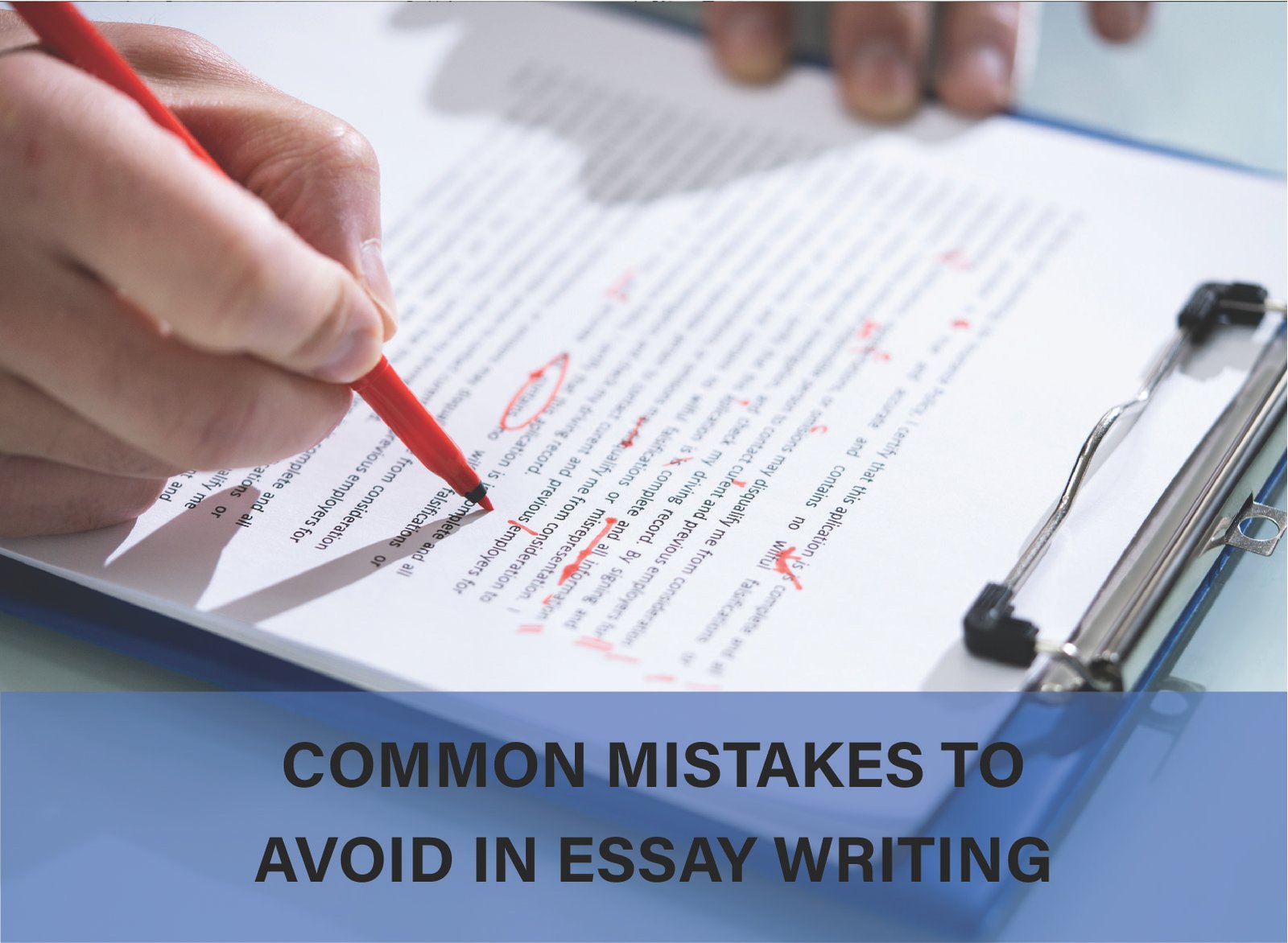
The composition of an effective essay needs compelling arguments together with proper organization and attribute refinement. Students commit various mistakes in their writing which weakens their intended message despite their strong arguments. The errors of following prompt requirements and improper use of transitions lead to reduced grades as well as diminished readability. This guide explores the main mistakes students make while composing essays while providing necessary remedy solutions. The avoidance of mistakes in writing will develop your ability to write compellingly with confidence. The following discussion explores essential error zones students make during essay writing along with strategies to enhance your writing performance at advanced levels.
Structural Mistakes That Hurt Your Essay
The main foundation of your essay emerges from its structure. A properly structured document moves readers intact between your starting section and argument and concluding part. Worrying arrangements between your content elements will make readers shuffle through your message while weakening its delivery to the audience. Three main structural problems researchers commonly make include weak statements of thesis, absent beginnings or endings and the presence of unconnected or unbalanced paragraphs. Your writing becomes difficult to understand while simultaneously your main argument suffers from significant deterioration. Following a proper planning process and editing stage will help writers minimize common and fixable structural errors.
Lack of Clear Thesis Statement
Your entire essay has a principal idea named the thesis statement. Your argument becomes unfocused when you omit the thesis statement since your reader cannot comprehend your purpose. A thesis should maintain specificity while being direct and it needs to appear toward the conclusion section of the introduction. This document functions as an essential guide for writer and reader to maintain content unity through supporting purposes. Digestible writing and avoidable confusion will result when your thesis presence is either absent or undefined. A regular check of your thesis statement throughout writing will maintain the coherence and relevance of your essay.
No Introduction or Conclusion
An essay becomes incomplete when its body lacks the essential parts of both introduction and conclusion. An introduction prepares readers by presenting the subject matter background and thesis before the last segment concludes and reiterates main points. Any effort to avoid writing an introduction or a conclusion makes your piece feel either unfinished or disruptive. Excluding either introductory background or conclusive summary from a paper results in reader confusion about main message content. The three essay sections serve beyond being mere requirements since they enable readers to connect with your main message and keep it in their memory. Every piece of content requires a compelling beginning sequence followed by a concluding statement that leaves a positive impact.
Poor Paragraph Transitions
The proper transition of ideas from one paragraph to the next enables readers to maintain both the structure and coherence of an essay. When paragraphs lack proper connections your text becomes fragmented thus causing reading difficulty for audiences who want to track your logic. The logic between points becomes more clear through transition phrases “In addition” “However” and “As a result” which guide readers through your rationale. When an essay lacks proper transition none of its structure can save it from appearing fragmented even when it’s logically organized. Your essay needs a logical chain of connections between each paragraph which preserves one continuous narrative flow from start to end.
Disorganized Ideas
Every paragraph in an essay must explore one unified concept. Multiple random unconnected points combined in one paragraph along with unpredictable ideas produce confusion for anyone trying to understand the information. Your writing becomes illegible when disorganized so your readers lose track of your argument leading to weaker impacts. The solution lies in creating an outline first then checking that each section contains its main point with supporting evidence that progresses smoothly. When grouping related ideas within your writing you should develop your main argument in an organized manner to help your readers follow your thoughts.
Uneven Paragraph Lengths
The rhythm together with readability of your essay depends heavily on your selection of paragraph lengths. Paragraph structures should be kept varied but extreme differences in extension will create interruptions in the structure of the text. Readers become exhausted by long paragraphs that overshadow main points and brief paragraphs lose depth which results in abrupt reading experiences. Each paragraph should be balanced in length with between four to seven sentences to support a single idea. Long paragraphs can be separated into two while short ones need additional content to strengthen the structure and flow of the composition.
Common Grammar and Punctuation Errors
The minor aspects of grammar and punctuation directly determine how readers interpret your written work. Your writing becomes amateurish along with making texts harder to read and potentially changing sentence meanings each time you make errors in this area. Little mistakes such as disruptive sentence connections or inappropriate punctuation and inconsistent apostrophe use will distract readers from your main points. Your ideas will become more understandable when you avoid grammar pitfalls so your message will project professionalism. Students create five common grammatical errors and punctuation mistakes which we will review together with corresponding avoidance strategies.
Run-On Sentences
When independent clauses unite without correct punctuation or conjunctions between them the result is a run-on sentence. The unclear presentation of multiple clauses becomes hard to follow which results in poor understanding of your point by the reader. Extrapolating the statement reveals it should read “The research was thorough while also covering multiple perspectives.” Review each sentence for different concepts because you should split them with a comma connected to a consecutive word or create separate statements. A writing style that combines clarity with punctuation provides better understanding of arguments to readers while making them stronger.
Subject-Verb Agreement Issues
Subject-verb agreement stands as one of the simplest grammar problems which people tend to overlook almost always. The verb requires matching the number of the subject either as singular or plural. “The list of items is long” represents the correct usage since items is a plural form that requires a singular verb is. The singular subject “list” requires a singular verb while “items” in the sentence remains plural. Complex sentences make it easy for grammatical agreement problems to develop between subject and verb because distant words interrupt their relationship. Monitor the real subject in your writing then normalize your verb to match it. Regular maintenance between subjects and verbs produces grammatically proper and businesslike writing.
Misplaced or Missing Commas
Sentences become more structured due to commas which make your writing both easier to understand and clearer. Without proper placement of commas in a sentence readers might become confused because they cannot understand the intended meanings. The difference in the meaning between these two sentences depends solely on a single comma. “Let’s eat Grandma.” The meaning of the text changes radically because of one comma. Place commas between two clauses and between multiple items or between phrases that introduce sentences. Using too many unnecessary commas leads to writing disorganization so exercise moderation when they are not required. Read your sentences aloud to identify natural pauses because pauses should indicate a possible place for a comma. Correct application of commas creates a presentation that is clear and professional.
Sentence Fragments
Sentence fragments lack either a clear starting subject or ending verb or they form part of an incomplete thought in writing. This example demonstrates fragmentation since readers lack understanding about the following sequence. Fragments in writing create reader confusion while destroying the sequence of your text while neglecting to grow essential ideas. You should expand the fragment by turning it into a complete sentence or link it to neighboring text. Proofreading reveals any lines that feel disconnected or lack independence because these lines usually contain fragments which need additional development.
Apostrophe Misuse
Apostrophes present frequent misuse because readers make mistakes with both contractions and possessives. People frequently mistake the contraction “it’s” for the possessive word “its.” A similar mistake exists between using students in the plural form and student’s in the possessive form. The improper use of apostrophes leads to misunderstood meaning along with conveying carelessness in your writing to readers. The appropriate choice for spelling between “it is” and “it’s” can be checked by reading the sentence with the substitution of “it is”. Review your apostrophe placement twice before finalizing your work because accurate usage will make your writing both correct and professional.
Mistakes in Content and Relevance
Essays that maintain focus as well as relevance produce better results. A reader becomes distracted when your text includes unnecessary details which results in a weakened thesis statement while degrading the overall quality of your work. These missteps result in clarity reduction and mark penalties because writers choose off-topic information or duplicate themselves by repeating ideas or fail to understand the requirement correctly. Solid essays maintain their focus by sticking to the chosen subject while backing all claims with evidence and directly responding to the provided question. This text explains five widespread content errors that students typically make in their writing assignments along with recommended solutions.
Off-Topic Information
Basing your discussion on information outside of your thesis statement creates reader confusion as well as deteriorates the effectiveness of your argument. Research on climate change policy will lose its focus when the author departs from the thesis to explore historical weather events which do not integrate back into the main argument. Keep to the point by remembering your thesis statement together with the essay question at all times while writing. Every sentence must support your essential point. So keep sentences that do not align with your main point or modify them. The logical sequence of your essay depends on relevance because it links every statement to the main argument.
Repetition of Ideas
When you repeat the same notion several times in variant expressions you either have insufficient content or your planning falls short. Repeatedly restarting key details becomes counterproductive because it finally leads readers to lose interest as well as weakens the core arguments in your writing. Each idea needs to be developed using new supporting rationalization alongside evidence and unique perspectives. The structure of your arguments needs to present each new point in a separate paragraph. Multiple approaches within your essay create diverse content that automatically makes it more effective. Rephrase your work to detect instances of repetitive language since they do not provide new information.
Unsupported Claims
Make each academic essay point supported by actual evidence which includes both numerical facts and illustrative examples and professional expert insights. Without evidence to support powerful statements the author suffers reduced credibility while their argument becomes disputable. A statement that homework is bad for students requires research or expert analysis to back up such a claim. Every important statement and opinion demands proof before and after submission. Rephrase the following statement. Also normalize verbalization when possible. The addition of support evidence enhances your writing by showing your research abilities and thinking capabilities.
Overgeneralization
Generalizations through phrases like “Everyone agrees” along with “All teenagers face” exhibit poor accuracy because they are rarely factually correct. Your credibility decreases substantially when utilizing overgeneralizations while these statements indicate insufficient understanding of context. Documents written for educational purposes need to demonstrate precise and accurate content. The use of qualifiers “many” and “some” and “several studies” helps demonstrate complex relationships between ideas. When demonstrating evidence-based claims you should restrict speaking in absolute statements unless supported by tangible evidence. The presence of precision indicates writer maturity while demonstrating advanced knowledge of your researched subject.
Misinterpreting the Prompt
The most dangerous error students can make for an essay stems from their incorrect interpretation of the assignment question. The resulting off-topic paper will exist even though the writing process itself shows mastery. Before starting, review both the prompt and its contents thoroughly. Read the question thoroughly to locate major keywords which include either “compare” or “analyze” or “argue.” Determine exactly how much detail the question requires. To clarify anything, seek help from your teaching staff. An essay focused on the prompt shows relevance to grading criteria which improves your chances to submit a high-scoring assignment.
Stylistic and Tone-Related Mistakes
The specific way you write your essay plus your chosen voice make up the main attributes readers notice when they review your work. Powerful evidence will fail to persuade readers when written with casual language that shifts between informal and professional styles. Your academic writing needs to remain flowing and direct while keeping a standard formal style in all parts. Entering technical writing with slang terms, poor wording and varied verbalization harms your final product quality. This list shows the main style and tone issues in writing plus ways to improve them.
Informal Language in Formal Essays
It is especially wrong to use informal phrases “a bunch of,” “including” when writing academic papers. Talking casually in writing reduces the credibility of your argument. Use proper scholarly words that precisely state your point while remaining formal. When possible, exchange verbalization “a lot of” with more formal choices “significant” and “numerous.” An academic style of writing with respect strengthens your authority while helping teachers and other readers respect your points.
Redundancy
Replicating ideas several times and using flowery language like “fully loaded product results in free bonus” burdens readers with unnecessary text. Replicating information slows down your essay while showing that you need editing help. Guided writing becomes easier when you replace two unclear words with one direct choice. Instead of using “due to the fact that” choose “because”. By organizing words directly your reader can better follow your message even when you avoid repeated points.
Overuse of Passive Voice
While passive verbalization follows proper rules of grammar it softens your text and makes it less interesting. When students performed the experiment it strengthened the statement more than when the experiment simply happened under their direction. Using verbalization makes your ideas stand out while direct writing and easy understanding help you win readers. When you repeat passive verbalization it becomes hard for readers to understand what the sentence is about. During editing replace passive verbalization with active verbalization to strengthen your writing.
Inconsistent Tone
Switching between normal speaking style and official language destroys your written credibility as an author. Changing from formal writing tone to casual speech patterns within the same essay causes a jump between two different styles of communication. Decide a suitable writing tone based on your assignment requirements and maintain this style throughout the text. Only use verbalization and casual speech when they aid your persuasive strategy in serious written work. Using a steady tone throughout your writing gives your essay a professional and credible appearance to your readers.
Wordiness
Your essay writing will become more accessible when you remove unnecessary verbalization such as “to achieve” “now in time” and “extremely”. Long verbalization in your writing creates the impression you aim for more words instead of better text. In every sentence look at whether you can simplify it while keeping it easy to follow. Practice removing unnecessary text and normalising verbalization techniques. Short and direct writing demonstrates value for your audience’s time while making your point stronger.
Formatting and Presentation Errors
A perfect essay text fails to keep its validity if it displays poor visual appeal. Readers mainly focus on how you present your work and simple text issues can break their attention from the content. Various formatting glitches including font usage problems and citation style exceptions as well as text errors indicate that a person lacks attention to detail. An essay that follows the academic guidelines and displays professional style makes a better first impression. This section shows formatting and presentational mistakes that every student needs to stop making.
Ignoring Formatting Guidelines
No matter which academic style guide you need to employ you should strictly follow its formatting standards. Following official publication standards demands proper setting of margins plus layout elements such as title pages together with accurate reference tagging. Students who fail to follow these guidelines will suffer marks deductions or possible academic discipline. Applying correct formatting helps your essay maintain reliability and matches educational standards. Verify all header text settings plus font type size line intervals and alignment before final submission. The use of a citation tool and referencing a style manual assists you in preventing formatting inconsistencies.
Inconsistent Font or Line Spacing
Variations between different font types and text presentation create an unprofessional appearance for your essay. It prevents the reader from following the flow of information and shows that the text needs better editing. Follow heading guidelines by using standard 12-point Times New Roman or Arial across all work sections with twice the normal spacing. A document looks better when all text display rules stay the same. Double-check your work for any unanticipated changes to your formatting after you complete your essay. The visual aspect of your essay must enhance your provided written information.
Missing Citations or References
Uncredited sources can result in plagiarism accusations that usually create major problems for your academic career. Use proper citations in the text and set up a reference list that follows the chosen formatting standard. Individuals must give credit to their source even when they transform content from its written form. Without proper citations your argument fails and your work shows a deficient ethical behavior. Choose citation generators or referencing tools to produce exact and regular citations in all your document sections.
Overuse of Bold or Italics
Use text formatting elements like bold, italics or underlining when they advance your argument and do not become excessive in number. You will create an unprofessional appearance when you use these features too frequently. Formal academic writing should avoid bold formatting which designers typically use for titles and emphasis. Avoid underlining unless specifically required. Your work will look less professional and inexperienced when you overload text formatting. Use a plain design as this helps readers grasp your points easily.
No Proofreading
Poor proofreading of one’s essay shows students did not bother to take the final step before submission. Proofreading stays essential for sending your work to the reader on time. Your final check for errors helps you deliver more understandable work while making it appear refined. To prevent misreads you should use technical writing aids or listen to yourself read the text to find errors that you could miss. Request someone else to assess your work. An essay that receives thorough editing shows its creator has put forward enough thought and professionalism.
Conclusion:
Learning to prevent basic essay mistakes leads to better presenting of your well-organized and convincing ideas. Many problems in your essay can weaken its effectiveness including failing to establish your main argument plus spelling and grammatical issues. Taking enough time to structure your work well plus proofreading and revising will improve your essay writing and make you more successful in your studies.
You are prepared to enhance your essay writing skills. Keep this checklist saved and apply its advice to your upcoming assignment before final submission. Ignore these typical traps and write essays that impress your audience every time.
FAQs
-
In essay writing the biggest blunder you can make is omitting to clearly express your thesis and back it up?
The worst mistake students make is not expressing their main thesis effectively.
-
What approach should I take to strengthen my essay design?
A structure with an opening, multiple body units, and an end helps you stay on track.
3 .Regular grammar errors impact the grade I receive for my essay?
A high number of grammar and punctuation mistakes affects both how well someone can understand and interpret a piece of content along with how many points are deducted from the grade.
-
You need to prevent repeating the same points in your essays?
Frequent use of identical words throughout your writing diminishes the strength of your main topics.
-
Formal writing should always be the standard in academic essays?
The answer is formal tone most of the time except if the task wants casual language.
-
What elements make up an effective beginning for my essay?
A hook, background context, and a clear thesis statement.
-
Proofreading essential projects before final handover impacts results?
Very! Using proofreading catches errors in grammar writing and document look.
-
Do artificial intelligence editing programs support my editing work?
While AI detection tools do find mistakes they need human assurance.

All students must follow an essential first step of thought organization before completing their essay work to achieve clear and effective results. A properly organized thinking structure enables you to build an essay outline while staying focused and delivers your ideas with order and unity. Through prior planning you achieve better results regardless of the essay type you choose to write either for explanation or argument or reflection. Strategic planning supports your writing in two ways by eliminating blockages and maintaining focus while establishing that each point aligns with your thesis. The preliminary work you perform to understand the assignment together with brainstorming and creating an outline determines the quality of your completed draft. Readers can find a step-by-step guide in this article for planning an essay before starting their work. Provided that you invest proper time in preparation you will turn your thoughts into an effective structured composition.
Understand Your Essay Prompt
The evaluation of your prompt serves as the initial step toward targeted composition work. A thorough comprehension of the essay assignment needs to be your first step toward starting thought organization processes. Many students create wrong points or waste possible scoring potential because they write before examining the prompt properly. A thorough analysis of the prompt enables you to see its main objectives together with restrictions and essential requirements. Identify the required writing approach since the prompt will state either persuasive or analytical or descriptive or narrative. The clarity resulting from this analysis helps direct your research process together with brainstorming and organization for creating an essay that tackles the question comprehensively.
Identify Key Terms
The first step involves deconstructing the provided question to reveal its specific directives. The essay prompt includes particular terms that describe your required action point. Different approaches emerge from the essay terms “analyze,” “compare,” “explain,” or “evaluate.” The identified action words should guide your response decision. Determine words that specifically describe the boundaries of your topic within its specific field. Mark down such important terms for future use in creating your response framework. When you follow this step you protect yourself from writing about the main subject because you link your ideas to exactly what the question demands. Students who overlook crucial terms within an assignment usually craft imprecise work that loses its focus.
Clarify the Purpose
Identify the essay type because it can be argumentative or serve for information or analysis. The understanding of your assignment objective determines both writing approach and organizational pattern in addition to content selection. Purposes of argumentative essays include persuasion and for that reason writers need powerful main assertions combined with convincing counterarguments. The purpose of informative essays is clarity alongside factual evidence but analytical essays perform concept or text breakdown as their main function. You need to determine what the writing assignment requires because it might expect your personal position or detailed description or critical analysis. You must clarify the expectations at the beginning to stay on course and meet your instructor’s requirements along with reader expectations. The determination of your points and examples to use in your outline comes from answering this question during initial planning.
Know Your Audience
Variant your message through presentations that match your audience expectations. Your audience dictates the writing style together with the terminology which you need to use. Your writing aims to reach either school teachers, members of academic journals or a broader audience of readers. Awareness of your audience enables you to choose between formal writing styles along with deciding how much contextual information you need to provide. To reach academic readers you should maintain formal verbalization along with well-structured writing supported by strong source evidence. The target audience of blog readers permits you to write with a friendly style while using familiar illustrations. Assess each part to determine vital information for readers along with ideal methods of straightforward delivery. Your capability to understand the reader needs results in writing that is stronger and more captivating.
Set Boundaries
Limit the scope of your topic to maintain a direct and flowing message. Numerous subjects possess wide reach that can divert your composition into unrelated directions. Establishing boundaries allows you to choose specific areas for an effective limited coverage of information. Your climate change paper requires decisions about which aspects to examine between causes, effects, solutions and regional attention. Your defined angle enables you to explore your argument with depth instead of covering multiple weak points at a basic level. Determine what portion of the assignment you can handle within the specified point value. A specific educational piece becomes simpler to compose while simultaneously delivering a more impactful experience for readers because it stays on track with its primary goal from beginning to end.
Ask Guiding Questions
Your exploration of the topic benefits from combining the examination of who, what, where, when, why and how elements. The process of asking leading questions enables you to view your subject matter through various aspects which enhances your knowledge base. When studying social media’s effects on teenagers you should first identify which group of teenagers receives the most impact. What platforms are influential? What are the sources that present this study? When precisely did modifications in conduct initially emerge? Why does it matter? What steps can people take to resolve the existing problem? Different types of questions enable you to generate content ideas while searching for useful evidence which directs the intended purpose of your essay. You should use these tools particularly during the brainstorming phase as well as the outlining period of your writing process.
Brainstorm Ideas
Free-thinking allows a person to write first content while also finding possible subject perspectives. The procedure of brainstorming stands vital for arranging your ideas prior to writing an essay. The approach enables academic research through different viewpoints while removing structural and grammatical requirements. You should write down all possible thoughts regardless of present structure during the brainstorming stage. This brainstorming technique allows you to achieve two objectives by revealing hidden ideas while constructing the main direction of your work. Brainstorming provides a solid content base although you have the option to choose visual techniques or make lists or work spontaneously until you build a coherent essay.
Mind Mapping
Visualize diagrams as a method to establish connections between the ideas and themes. The visual arrangement of thoughts centered on a main subject can be successfully achieved through mind mapping techniques. Place your essay topic at the middle of the page while you spread out connected subtopics and arguments from the original statement. The process of building your map requires connecting various thoughts through lines drawn between them. The method works best to uncover relationships and patterns that will help structure your essay. Visual learners who must see complete concepts before creating paragraphs will find mind mapping as their optimal choice. These structures simplify the identification process for main points and their supporting details.
Bullet Point Lists
You can generate and group thoughts efficiently for quick assessment via list making. Bullet points serve as an easy tool to assist brainstorming activities. Write all your thoughts into short phrases and keywords as you think of them while disregarding both sequence and grammar rules. The technique enables fast note-taking which makes it easy to evaluate and categorize ideas afterward. You can establish different categories out of related bulleted items where each group will become one portion of your essay. Making bullet point lists provides two benefits: first it helps you remember critical thoughts and second it offers an easy method for scanning content before creating your outline.
Freewriting
Free writing for ten minutes generates subconscious thoughts through the writing process.
Freewriting requires a specified timer duration which typically spans between 10 to 15 minutes followed by continuous unedited writing of target ideas. Keep writing without concern for grammar rules or losing coherence because the focus remains on unrestricted thought expression. The unrestricted writing technique helps your mind bypass mental roadblocks to reach previously unconscious ideas. After finishing your piece, check for pieces of writing which demonstrate value as you review what you wrote. During freewriting you discover essential points and personal meanings within the topic which create new opportunities to present deep and original content in your paper.
Use Prompts or Questions
By answering questions one can discover new argumentative points as well as valid arguments which otherwise may have remained hidden. The correct manner of asking questions functions as the only prerequisite for idea generation. Brainstorming for writing will benefit from open-ended prompts such as thinking about your topic beliefs or why the topic matters. These guidelines direct your thinking process toward fresh perspectives about the subject that you would have overlooked previously. Among the set of possible prompts are the essay-specific questions “What’s the main conflict?” followed by “What evidence supports my view?” The strategy proves beneficial during moments where confusion or panic sets in.
Group Similar Ideas
Place your thoughts inside main divisions to establish subcategories. After collecting various ideas now you need to begin the process of organization. Place similar brainstormed concepts into separate categories which should correspond to your potential body sections. The concept of climate change can be divided into sections about causes along with effects and proposed solutions. Your brainstorming outcome produces an initial outline while enabling you to notice existing conceptual weaknesses. Creating a logical sequence in your essay becomes simpler through this approach because each section advances the previous information to support your main argument.
Conduct Basic Research
A necessary step before composing an essay is to perform basic research in order to establish a solid foundation of information about the topic. The research process permits you to grasp your subject deeply by noting existing knowledge while discovering gaps in understanding. Select academic articles together with books and reputable websites as your trustworthy sources. You should gather information that will later back your points during this stage but you should avoid composing comprehensive arguments at this time. Investigative preparation provides your paper with precise content while adding reliability to your work. The easy accessibility of your findings and well-developed informed arguments will become vital for creating an effective outline and writing phase.
Read Background Information
Start your research by gaining an overall view of the topic area. Begin by consulting encyclopedias and introductory material or checking educational websites including Britannica and Khan Academy to understand the overall subject. The background information step allows you to understand essential terms as well as fundamental themes together with historical and present-day context of the subject matter. Starting your research with a wide scope gives you stronger capacity to narrow your focus when writing the essay and identify essential problems for discussion. Before researching detailed sources this approach helps readers establish their field of knowledge in a quick manner.
Highlight Useful Quotes or Stats
The process of source review requires marking down essential statements along with numeric data which demonstrates relevance to your claims. Body paragraphs can use these important pieces of evidence as they develop their points. Keep track of the resource details including authorship information along with page location or digital address when you gather data to use for citation purposes later. Using strong relevant data will support your argument and at the same time demonstrate to your reader that your claims stem from researched sources.
Note Contrasting Opinions
A genuine and thorough paper acknowledges major opposing arguments to the writer’s standpoint. Make a list of arguments which oppose your main viewpoint during your research process. When you comprehend contrary arguments it enables you to develop a stronger persuasive essay since you can respond to foreseeable challenges. When applied correctly these skills identify the core values of the subject area while displaying both careful thought and passionate involvement in the topic. Appropriate use of opposing views transforms your content into both compelling and fairer materials.
Save Your Sources
Create digital systems through bookmarks and documentation to store future citation materials. The tracking down of your information source locations is essential for research quality. Every research source you use needs to be recorded in Zoster or Medley or a research journal or digital bookmarks. All writers need to conduct proper citations since this practice protects both their work and lets them maintain scholarly integrity in their research. The method will benefit your work because it saves time when you need to compile your bibliography or works cited page.
Identify Gaps in Knowledge
Identifying unclear information or research gaps becomes apparent while performing basic research tasks. The identification of these knowledge gaps during the research process helps you develop additional focused research for later use. You should underline key elements of confusion and unanswered questions which seem difficult to grasp. Knowing the gaps in your awareness will guide your thesis development and result in an informative writing piece with complete content.
Create an Essay Outline
The next step after collecting your research and ideas involves putting them together as an essay outline. An outline at this stage enables you to keep your focus during writing and maintains clear intent in every paragraph. A properly organized outline shows the essay structure by defining sections for idea introduction along with argument expansion and conclusion presentation. The writing process becomes simpler because problems within your reasoning structure will become evident prior to beginning the actual writing. Having an effective outline enables you to pen faster and more direct text which requires fewer major changes in subsequent edits.
Introduction Planning
The first step should consist of planning the introduction to the subject. The first step is to create a bold hook followed by a short background segment and then your thesis declaration explaining the key point of your stance. Your model establishes both the tone and direction which will guide your complete essay therefore you need to develop it correctly.
Body Paragraph Points
Each paragraph requires a list of its significant arguments along with supporting topics. Your essay requires clear divisions which contain individual main concepts. Write the key points for every paragraph which naturally develop your thesis statement from start to end. Every paragraph needs to include one main idea because this strategy maintains both focus and reader comprehension.
Evidence Planning
Each point should have assigned supporting evidence which may be a direct quote or factual data or specific examples. Each body paragraph requires a designated set of evidence which you have planned to utilize. With prediction of your planned supporting evidence including statistics or examples the writing process becomes both efficient and impactful. Restoring evidence into your paper serves to sustain your main points and demonstrate how you actively interact with the material.
Logical Flow
Always organize supporting points by building an accurate sequence. Consider how you want to sequence your arguments when composing the essay. Your essay should first introduce simple core concepts followed by more challenging and forceful points. Logical progression enhances both the strength of your points since it gives readers better comprehension.
Conclusion Notes
Choose the core point together with your final thoughts for the conclusion. Finish your writing by deciding both the main point and supporting content of your conclusion. A brief summary of main points should be followed by a new interpretation of your thesis statement before presenting your concluding thought or reflective observation. The conclusion should unite all parts of your essay into a single impactful message.
Review and Revise Your Plan
Examine your preparation thoroughly before starting the draft. Begin your writing work only when you have checked your outline to make sure everything is prepared. A proper plan saves you time and effort during your actual writing stage. Rephrase your plan to check its structure content and connection path. Check if you have included essential information that is fully supported and varied enough. Reviewing your plan helps you create a logical and convincing essay throughout all its parts. Fixing problems at this stage is easier than after you begin writing. Reviewing your work before writing helps you get started without hesitations.
Check for Gaps
All-important topics need to appear in your outline. Review your outline to verify if it answers every aspect of the essay topic. Seek out information that should be added plus check for arguments that lack proof or analysis of all possible aspects. Finding and filling these blanks early lets you produce better complete work while saving writing time.
Eliminate Redundancies
Eliminate ideas that repeat themselves and do not contribute to the essay. Points that you repeat or move away from the topic weaken your essay’s message. Study each part to check if it provides relevant content to your written work. When you spot duplicated ideas or content not related to your thesis, correct the issue by taking out one or rephrasing and combining the concept.
Balance Your Argument
Give every section sufficient information to support its points. Your argument should stand equal between all sections of your essay. When one part of your discussion lacks details you should include extra support data. The mixture of details retains readers’ interest by showing your main thought.
Adjust Structure
Reduce sections to follow the best path of understanding. Shifting the order of your thoughts in your essay will help your writing read more smoothly. Rephrase your points to find the best path for them to follow. Shifting your ideas through different parts of your writing will help you construct stronger argument presentations.
Finalize Thesis
End your work phase with a clear and well-developed main focus in mind. Go back to review your thesis point prior to beginning the draft. Check that your main point stands out as an argument that fits directly with what you want to discuss. Your strong thesis point will direct your writing and keep your essay on track.
Conclusion
Preparing what you want to say about an essay helps you reach success and write faster. Your essay will succeed at its intended purpose once you grasp the assignment requirements completely. Using brainstorming techniques helps you generate powerful ideas while doing effortless research brings you background material to strengthen your points. Drawing an outline protects your work from losing its direction while keeping all important points present. These platforms build a dependable structure for essays of any persuasive, analytical or narrative style. You should evaluate your planning before writing to correct potential weak parts and define your statement.
You are now prepared to compose stronger essays. Follow these basic methods now to arrange your thoughts. Using these preparation steps you will become an improved writer. You will achieve better results in both confidence and essay performance. Teach others how to plan better with this guide by sharing it to classmates and friends.
FAQs
-
Planning your thoughts before starting to write an essay brings better clarity to your writing?
Having an organized plan lets you present your ideas straightforwardly and that makes your writing more convincing to readers.
-
Which programs will help me during my brainstorming sessions?
People use mind maps, note lists, sticky notes and web apps Trello or Google Docs for effective brainstorming processes.
-
Organized planning takes between 15 and 30 minutes of my time before essay creation?
Leaving 15 to 30 minutes for planning at the beginning will help you save writing and editing time.
-
During writing you can modify your outline any time you need to?
Absolutely! You can make changes to your outline during the development of your thoughts.
-
You need to place related thoughts together?
You should group your ideas by finding connections between them.
-
I should review my topic area before beginning the outlining process?
Basic study helps you most in writing an academic or persuasive composition.
-
Keep only the strongest ideas that align with my main points?
You should keep your selection limited to the most effective and solid concepts that help prove your main point.
-
What methods should I use to stay on topic while composing my work?
Stay with your plan and return to your main argument.

Writing a short-time-critical essay does not need to feel stressful to students. When students follow effective methods they can maintain their high quality and clarity in their writing assignments despite their short amount of time. The ability to compose smarter writing will help you reclaim many hours you otherwise would have spent on your assignment. This guide offers time-saving essay writing advice to students who need quick completion of their assignments focused on smart planning and fast writing and purposeful editing.
This guide will teach you the process of destroying your assignment instructions while developing mini-plan outlines and sustaining focus on work. A set of straightforward and actionable methods guides people through retaining organization while staying focused no matter how much time remains. Preserve your calm state and stay neat and focused through these provided writing templates which also include productivity techniques and time-management settings for your ultimate success with submitting your work confidently. The following lesson leads students through fast and effective writing of essays while eliminating mental pressure.
Plan Before You Write
Taking a short time to plan your work will save you many hours of effort. Good preparation enables you to write more quickly and easily while preventing extensive revisions. Your preparation efforts become essential because they guide your writing even during limited time schedules. Use these planning methods to create an easier and faster writing system.
Read the Prompt Carefully
Start working on your essay only after you have completely understood the assignment guidelines. Write down the most important action words found in the assignment including analyze, compare and evaluate. This process shows us exactly what information our instructor wants us to deliver. When you misunderstand the essay question you will drift away from the topic which makes you lose time. Identify your essay task type since you might need to build an argument, explain complex ideas or define simple steps. When you understand the essay prompt well you will stay focused and improve your chances of delivering good results even with limited writing time.
Set a Time Limit for Each Section
Effective time management works best during short scheduling time. Allocate your available time periods for brainstorms, creating your outline, working on the text and reviewing your work. During your assignment work time you should dedicate 5 minutes to preparation followed by 20 minutes to compose your text and finally 5 minutes for evaluation. Set your internal timer and alarms as performance trackers. Dividing your work prevents you from spending excess time on any section which leaves you short of time to complete your essay’s other parts. Setting a schedule lets you build your work progress and handle stress better. Devoting enough time to each part of your essay will produce better results despite the pressure.
Create a Mini Outline
A short outline provides your composition structure so you can keep your ideas sequential. Begin with the thesis before writing down 2 to 3 primary arguments that demonstrate its validity. Add one supporting point and its evidence under each main discussion topic. Make a simple outline of your points to serve as your writing roadmap. To write faster and better you need to plan your points each paragraph early while creating a draft. An outline prevents you from losing essential thoughts while controlling your focus especially during time restrictions.
Choose a Clear Thesis
Your main argument serves as the foundation of your written work. Your basic message about the topic needs to take clear focus in a single sentence. Start writing only when you know your goal for the content. Start by determining your main point so your writing direction becomes clear. To make this work easier, determine what you intend to prove when expressing information. How do I need the reader to comprehend ideas in my work? A solid thesis statement points out how body paragraphs should develop your work and stay focused. Your writing speed increases because a focused thesis reduces confusion during limited time.
Prioritize Key Points
In a situation with limited time you must deliver essential concepts rather than attempt a complete set of information. Pursue three impactful points with solid evidence instead of attempting to include all possible topics. Select the two or three supporting points that directly demonstrate your thesis and you can develop in detail. Your writing should stay focused and you should never add insignificant details just to exceed the length requirement. Deciding what to focus on first makes your presentation easier to understand and proves more persuasive. Choose powerful evidence to support your points and put them in a sensible order to effectively use your time.
Write Efficiently Under Pressure
Writing at top speed becomes essential when you face time constraints in essay composition. The strategy of deliberate writing keeps you working effectively even when you feel pressure at work. Make sure your readers understand your point quickly while you work faster than you aim for excellence. Apply tested ways such as setting fixed writing periods and using basic sentence patterns alongside drafting steps to simplify your work process. You should put down your thoughts fast and clearly then take a short moment to review. The following practical strategies teach you to produce quality work while handling pressure.
Use the Commodore Technique
The Commodore Technique gives you the best method to write when time is limited. During 25 minutes write actively afterward pause for five minutes before continuing. You should take an extended mid-session rest after writing for four sessions. Using this method enables you to write better and stay mentally strong by preventing exhaustion. This method builds your productivity faster than it feels overwhelming and lets you schedule your writing time better. Dedicate each Commodore session to write a single paragraph or edit your thesis statement. Working in brief dedicated blocks improves your speed and keeps your brain working optimally during the writing activity.
Don’t Edit While Writing
Constant textual editing during your first write-through majorly slows down your process. Your main goal should be to write your ideas without editing. Prepare the written content first so you can polish it later. Working on every sentence in your first draft hurts your writing momentum and decreases your output. Producing an initial draft is essential over polishing verbalization during limited writing time. After placing your thoughts down you can return to edit and normalize verbalization to strengthen your arguments. Writing your text before editing it allows you to save time.
Stick to Simple Language
Keep your text direct using normal everyday words during fast writing periods. Easy words in your message deliver results faster in both production and revision stages. Develop your message open and direct instead of aiming for impressive prose. Direct writing communicates better to readers and shields your text from errors that result from complex sentences. In time-limited situations, clarity trumps complexity. Focused sentences that tell directly and daily words will help you produce words faster while making your message simple to understand.
Start with the Body Paragraphs
Begin your work by skipping right to the main text section and then compose your opening and ending later. The core of your essay lies in the body sections and evidence because both elements direct your readers to understand your message. After finishing your key content you can create an introduction that matches the subject matter plus a suitable final statement. Writing your body content first allows you to develop your thoughts more easily than creating a detailed introduction. Beginning with the middle part makes your writing faster and keeps you on schedule when you need to work quickly.
Use Templates or Essay Structures
A standard essay framework lets you allocate your time better by showing you where to put your work. The built-in template design for opening sections plus the texture of each paragraph simplifies your task of arranging ideas efficiently. The PEE structure functions as a reliable system to develop paragraphs. Angling your thoughts toward built structures lets you quickly develop your work without needing original methods. Template features cut down decision urges so you can stay focused on creating well-organized content. Having a set structure helps you use your available time effectively when you write faster.
Stay Focused and Avoid Distractions
Whenever one has scarce time, concentration proves to be one of the most important factors to put in priority. Interferences can hamper the set course and elongate style sessions that otherwise should be efficient and short. For this reason, time should be properly managed in order to maximize effort by setting conditions that demand more attention in a short time. Some of the points like reducing noise, switching off all electronics devices, and establishing aims will go very far in making you efficient. There are certain tips a student can use in order to remain on task, not procrastinate, and still submit a good quality essay within a shorter time frame.
Find a Quiet Environment
As many have said, the environment has a significant impact on the concentration that one gets to achieve. That is why a noisy or a cluttered environment in particular will disturb your concentration every several minutes. Choose a room with no interruptions, go to a library if none is available or use headphones which minimize the noise. It demands to minimize the quantity and intensity of stimuli from the outside world in order to keep your mind focused on the paper. Reduced noise level means that the mind has lesser effort in concentrating after every disruption from the environment. Learning is best done in quintessential silence When, on the other hand, one is required to write, a quiet environment is ideal – even more so when you have a deadline.
Turn Off Notifications
You are able to be interrupted within a few minutes by messages on your phone or notifications from your computer. Snooze or turn on the Do Not Disturb feature on your phone and do not allow notifications from social media applications, emails or messages. It gets worse when one has tight schedules; even very brief interferences may greatly slow you down. At work, use your word processing and browsing devices for research or for composing only, not for playing games, downloading videos, etc. In this way, you turn down all that does not strictly pertain to whatever you are writing, thus you focus your full attention and time.
Set Clear Goals
Only then proceed to write down what you want to achieve in that particular session. Whereas, having an ultimate goal that concerns a single paragraph or the final wrap up of your work brings a kind of focus that is necessary. It was so vague that someday I will read books and write something or procrastinate on doing something new. Rather, divide the essay and cross-check the sections as those tasks that need to be done help to demystify the process. If we have so little time, it is always beneficial to set goals so that in a writing session you will have a clear direction of what to do next rather than spending hours being overwhelmed with a blank piece of paper in front of you.
Use Productivity Tools
Here are some technologies that clear all these barriers and enable an individual to stay focused on his or her work: Applications such as Focuswriter offers an environment to write without a blinking screen and Stay Focused prevents you from accessing a given website. Other applications such as Forest or Cold Turkey can be useful to wean themselves to refrain from using the phone. These apps hamper one’s cravings and help to lead the focus back to the task. Select equipment that supports your routines and allow them to help you achieve your writing aims and not divert them.
Reward Yourself
Positive reinforcement keeps motivation high. : Every time you have completed writing a section or used up 30, spend some time on the break; take a small reward in form of a snack, exercise or engage more time in your favorite task. These rewards aid in making the process less strenuous as well as afford you with different mental diversions to reset you. In fact, it is always inspiring when you know there is something in it for you and especially if you are under a tight deadline. Let the work be in keeping with the principle that something beneficial often looks, feels and tastes like something we don’t want to do.
Speed Up the Editing Process
When you don’t have enough time at your disposal to go through every piece of editing, it’s indeed overwhelming. The good part is you do not need to put in hours to perfect your draft. Polishing your work quickly and effectively is possible with the right set of strategies. The secret is efficient editing mainly focusing on the essence: clarity, grammar and structure. Shed responsibility appropriately on helpful tools, organize well in a step by step review process, and only work on high impact fixes. If you do these shortcuts, they will help you get a clean, readable essay at a fast pace.
Use Editing Tools
Grammar and Hemingway Editor are such tools that can pinpoint spelling errors, grammar errors, passive voice, and readability issues in a matter of seconds. The second pair of eyes will catch mistakes that you would otherwise miss while reading quickly. They are particularly useful for when time is tight, that is, providing real time suggestions in order to improve sentence clarity as well as basic grammar. You can use those to ensure the editing process doesn’t take as long yet maintains quality.
Read Aloud
Reading your essay out loud will help you detect awkward wording, multiple uses of similar phrases, and not completing an idea. This just makes your brain slow enough that you notice what you may speed by your eyes. If you only have a few minutes, you can also read it aloud — it will help the flow, which is extremely important. Overall, you’ll also be better able to spot grammar mistakes, or even where tricky words and phrases are missing, that an editing tool may have failed to catch.
Focus on One Edit Pass
I would not advise you to try to fix everything at once. Instead, you do one targeted pass on each of the major issues: grammar, structure, clarity or formatting. However, this focuses the approach, so you won’t forget about crucial areas and it saves on the time spent editing as there will be no scattered edits. This may be for instance, to check out punctuation moves one, then verifications which you constantly work on and paragraph transitions two, and refine thesis or conclusion three. Structured editing is just much more efficient and less stressful.
Cut Unnecessary Words
The use of wordiness will slow down your writing and confuse the reader. Find filler words in your essay and try to do away with them. Clarity, be specific—use stronger verbal, and try to make the sentences simpler. This is not only tightening your writing but also reducing the number of words you have to manage. An easier and quicker essay to edit is a leaner and more precise one.
Double-Check Formatting
Don’t sacrifice a good submission to small formatting errors. Take a couple of minutes to check any margins, spacing, font size, the citation style, and format of your header. Apply the instructions given by your instructor or school (APA, MLA, or Chicago). With the format of an essay properly lined up, even writing this last minute looks polished and professional. The best way to increase your final grade by little to no effort.
Develop Time-Saving Habits
One of the most useful things that the students, who lack time, can do in order to make the process of creating an essay more effective is developing new habits of time-saving. Besides, these habits do assist you in achieving your goal of writing more effectively within a short time span, increasing your self-esteem and decreasing stress during a tight schedule. Thus, the better you work with those skills, the closer and faster it will be to produce ideas, to build arguments, and to revise texts. Such small practices like preparing templates, keeping oneself organized, and leveraging previous work allow for a tremendous amount of time to be saved. It is therefore important to start developing these habits early enough to develop a feel of writing under pressure.
Practice Timed Writing
Do not make free writing sessions, but set the time to practice and stick to the schedule during the session for writing an essay. It may be possible to condition one’s brain to think faster for writing even with short fifteen-minute writing bursts. Scheduling practice would be beneficial because it would incorporate time constraints that are applied during the examination, thus enhancing the way you would present your ideas. You will become more efficient throughout time in identifying the outlining, drafting, and revising processes and accomplishing them in the expected time frames.
Build an Essay Toolkit
Each student should have his or her list of typical thesis statements, transition words or phrases, and citation styles on a piece of paper. Maintain a record of good examples of an introductory, concluding and an evidential sentence. It’ll also mean that more than often, when they are in a hurry to write, they’d have chunks of ready content they can fit into and alter. This preparation also helps you avoid major concerns with respect to the choice of words or structure more so when writing complex papers.
Read More Academic Writing
Being exposed to good essays it is easy to imitate and in the long-run the bad habits will be naturally dropped. Academic texts mimic all the elements of writing which include clarity, structure, and tone in all forms of writing tasks. This should in turn be complemented by reading at least a few high quality essays every week. Take a special notice of how an argument is constructed and how evidence is incorporated. In strengthening the learning, passive learning enhances the writing instincts to the core.
Reflect After Each Essay
Consider spending five to seven minutes after each essay writing to have a brief reflection about the strengths and weaknesses that have been identified. If you are still in doubt on which thesis to pursue, here are the guides on how to choose one. Did editing take too long? Self-reflection enables you to make assessments on which activities are wasteful of time and where improvements are needed. This makes it possible to write a better e.g. sourced essay in the continual improvement cycle than the previous one.
Stay Organized
Memos that are all over the place, unsure of where information is obtained from and essay prompts that are forgotten is a waste of time. A paper document should be kept in separate file folders and so should computer files. It invites users to organize notes based on subject, build citation databases, and save the previous essays for further usage. An organized infrastructure helps you locate what is required within the shortest time possible and begin writing without much hindrances.
Conclusion
Therefore, students need not be worried about writing their essays within the limited time as this does not have to mean that the quality achieved will be compromised. Through strategic planning and concentration, together with the help of time management tools, an individual can deliver quality materials even under pressure of time. The most important thing is to be well-organized, productive, and not bored. Through practicing the approach over and over again, these time-management approaches become commonly familiar to you and you can excel despite these strict time bounds.
Short on time? You are not the only one who faced difficulties in writing essays due to other commitments to perform. Therefore, it is clear that even if a student is pressed on time, he or she does not have to deliver a bad quality essay. Applying the strategies below can help you start writing your essays in a shorter period, portray your ideas in a more concise way, and revise with greater ease. From dissecting your prompts to checking your templates and using productivity tools, each of the strategies assists you with working smarter instead of harder.
If you are a last minute person in writing or desire to optimize your work, these habits will change how you write. Save this guide and use it as a reference time and time again whenever you require inspiration. Do not forget to share it with your classmates as they would appreciate the convenience of having shortcuts toward obtaining better grades on their papers. Discover the power of efficient thinking and writing and never allow lack of time to be an issue in completing first-class papers!
FAQs
-
Another often asked question may be: what is the way to plan an essay writing in the shortest possible time?
The simplest one is to write a short plan of the speech having three points. This keeps your writing straight and helpful in avoiding omission or digressing on a certain point in the course of writing an essay.
-
The time it takes to write a short essay also depends on the specific instructions of your instructor, but on average it should take approximately two to three weeks?
To write a 500-word essay there is enough time, even for a non-working student if he or she does not spend time on other unnecessary activities. It should be understood that the preparation of one’s plan and the adherence to the defined schedule increases the duration of writing substantially.
-
Is it possible to implement the usage of AI in the process of writing?
Absolutely. That is why vehicles such as Grammar or Hemingway Editor can easily fix grammar issues and enhance conciseness. They are beneficial to proofread your material more quickly, especially when you have little time left and you just need final work.
-
They include; here are some of the effective ways of minimizing distraction?
Hence, turn off your phone and ensure that there are no notifications on it. The usage of focus apps such as Stay Focused or Freedom will also help in blocking the use of distracting websites. Other ways of increasing efficiency when writing under pressure include; having a specific and quiet environment that is free from distractions.
-
What should be done to avoid the effects of stress while essay writing?
It could be divided into sub-tasks such as planning, writing and editing of the essay. Take short breaks during the session, use methods such as Commodore. This helps in maintaining balance, concentration and avoiding too much stress during the last days/duration of the assignment set.
-
Is it better to omit some passages and skip the editing step in a race against time?
It’s best not to skip it. The final step is to do one edit for simple structure and grammar errors or employ the help of editors to identify these mistakes. A short edit can still even enhance the quality and readability of the text.
-
How many points to propose in a timed writing carrying sixteen hours for an ‘A’ level student preparing for his or her end of semester examination?
Use no more than 3 and it is best to make them as strictly related to the assignment as possible. It also enables you to build your line of thinking progressively and systematically without intimidating the reader with a barrage of ideas within one sitting.
-
Which part should come first, the introduction or the body?
Start with the body paragraphs. After getting these fundamentals established, it is effortless to craft a very good interactive introduction and conclusion that brings together all aspects nicely.

Dissertation Writing Tips for First-Time Writers

How to Write a Dissertation Conclusion

How to Conduct a Literature Review For Your Dissertation

How to Create a Dissertation Timeline And Stick To It

How to Collect Data for a Dissertation Research

Common Mistakes in Dissertation Writing and How to Avoid Them

How to write a dissertation proposal effectively

Dissertation structure and how to format it properly

How to Write an Introduction for a Dissertation

How to Choose a Dissertation Topic for Business Students

Common Mistakes to Avoid in Essay Writing

How to Organize Your Thoughts Before Writing an Essay

Essay Writing Tips for Students With Limited Time

How to Write a Strong Conclusion for an Essay

How to Write a Thesis Statement for an Essay

How to Start an Introduction for an Essay

How to Improve Essay Structure and Flow

Best Outline for a Compare and Contrast Essay

Tips for Writing a College-Level Argumentative Essay

How to Write a Persuasive Essay for High School Students
How to Improve Essay Structure and Flow
How to Choose a Dissertation Topic for Business Students
How to Write a Persuasive Essay for High School Students
How to Start an Introduction for an Essay
Common Mistakes to Avoid in Essay Writing
Essay Writing Tips for Students With Limited Time
How to Organize Your Thoughts Before Writing an Essay
Dissertation structure and how to format it properly
How to Write an Introduction for a Dissertation
Tips for Writing a College-Level Argumentative Essay
How to Write a Dissertation Conclusion
How to Conduct a Literature Review For Your Dissertation
Common Mistakes in Dissertation Writing and How to Avoid Them
How to Write a Thesis Statement for an Essay
How to Create a Dissertation Timeline And Stick To It
How to Collect Data for a Dissertation Research
Dissertation Writing Tips for First-Time Writers
Best Outline for a Compare and Contrast Essay
How to Write a Strong Conclusion for an Essay
How to write a dissertation proposal effectively
Dissertation Writing Tips for First-Time Writers
How to Write a Dissertation Conclusion
How to Conduct a Literature Review For Your Dissertation
How to Create a Dissertation Timeline And Stick To It
How to Collect Data for a Dissertation Research
Common Mistakes in Dissertation Writing and How to Avoid Them
How to write a dissertation proposal effectively
Dissertation structure and how to format it properly
How to Write an Introduction for a Dissertation
How to Choose a Dissertation Topic for Business Students
Common Mistakes to Avoid in Essay Writing
How to Organize Your Thoughts Before Writing an Essay
Essay Writing Tips for Students With Limited Time
How to Write a Strong Conclusion for an Essay
How to Write a Thesis Statement for an Essay
How to Start an Introduction for an Essay
How to Improve Essay Structure and Flow
Best Outline for a Compare and Contrast Essay
Tips for Writing a College-Level Argumentative Essay
How to Write a Persuasive Essay for High School Students
-
 Essay Writing Tips1 year ago
How to Improve Essay Structure and Flow
-
 Dissertation Writing Tips1 year ago
How to Choose a Dissertation Topic for Business Students
-
 Essay Writing Tips1 year ago
How to Write a Persuasive Essay for High School Students
-
 Essay Writing Tips1 year ago
How to Start an Introduction for an Essay
-
 Essay Writing Tips1 year ago
Common Mistakes to Avoid in Essay Writing
-
 Essay Writing Tips1 year ago
Essay Writing Tips for Students With Limited Time
-
 Essay Writing Tips1 year ago
How to Organize Your Thoughts Before Writing an Essay
-
 Dissertation Writing Tips1 year ago
Dissertation structure and how to format it properly


